

An Hour w/ the Elders lesson: Muhammad Ali, Sacrifice, & doing what’s right
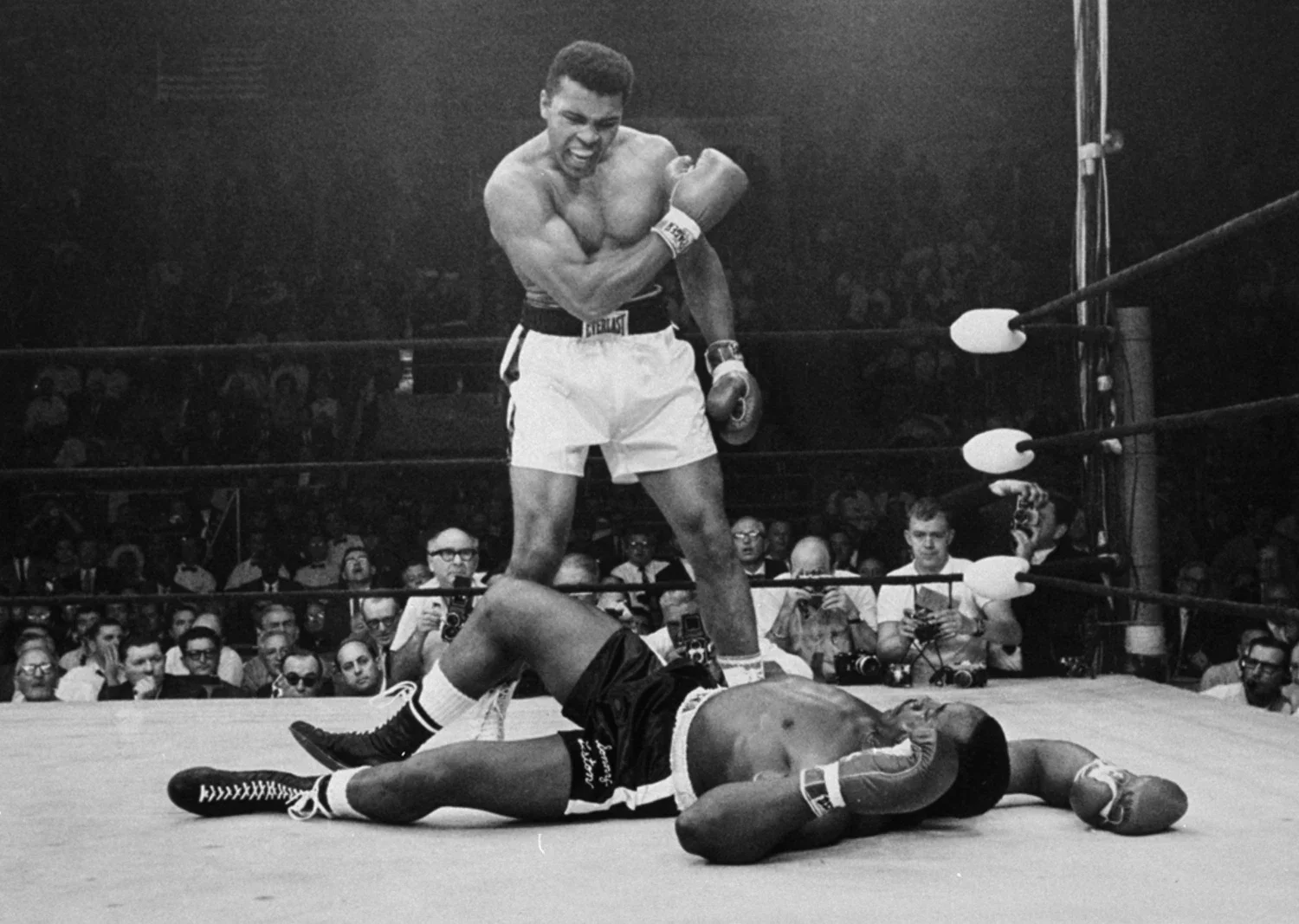
The classic, iconic photo of Muhammad Ali standing over a fallen Sonny Liston was taken on May 25, 1965
Photographer: The most famous version of this photo was taken by Neil Leifer of Sports Illustrated.
Our aim during these Hour with The Elder sessions is to share inspiring stories about of the past to promote healthy principles into the foundations of our community, our younger generations.
Muhammad Ali was the greatest heavyweight boxer ever—fast, strong, fearless.
In 1967, the government wanted him to fight in the Vietnam War. He was drafted and was demanded to join the army.
Through public persecution, attacks and more, Ali said no.
Why? He believed the war was wrong.
That stand cost him everything. They took away his boxing title. They banned him from fighting for three and a half years—his prime years. He was convicted, fined $10,000, and faced five years in prison.
Ali lost millions of dollars and fame. But he kept his principles.
He said: ‘I have nothing to lose by standing up for my beliefs.’
That courage made him more than a champion. He showed the world what real strength looks like—not just in the ring, but in doing what’s right, even when it can cost you everything.
At Primitive Fit, let’s aim to stand strong in your values, push through hard choices, build resilience for yourself and your community
Weekly Exercise/Homework: “The Ali Stand Challenge”
Goal: Practice standing up for what’s right (even small things) and sacrificing comfort for principles—building mental grit like Ali.
How it works: Each day for 7 days, choose one small act of standing up or sacrifice
Speak up kindly when you see something unfair (e.g., stick up for a friend being teased, or say no to gossip).
Do an extra chore/help someone when you’d rather relax (sacrifice your free time).
Skip a treat/snack or screen time to finish homework or practice a skill (sacrifice comfort for growth).
Hold your ground politely when pressured to do something you know is wrong (e.g., “No, I don’t want to cheat on this game”).